










It starts at a potluck. It always starts at a potluck.
You are standing in a suburban kitchen in New Jersey, or perhaps a condo in Toronto or a terrace in Dubai. The air smells of heated biryani and expensive cologne. The conversation hasn’t changed in five years. Someone is complaining about the wait times for OCI cards. Another is comparing mortgage rates or the resale value of a Tesla. A third is dissecting local politics back in India with the fervor of someone who didn’t leave twenty years ago.
And suddenly, you feel it: a profound, suffocating isolation. You are surrounded by people who look like you, speak your mother tongue, and share your heritage. Yet, you have never felt more alone.
This is the silent crisis of the successful NRI. We don’t talk about it because it feels like a betrayal. We are taught that our community is our safety net. But what happens when the safety net becomes a spiderweb?
If you feel like you are outgrowing your Indian friend group abroad, you aren’t arrogant, and you aren’t “whitewashed.” You are experiencing a structural inevitability of migration.
Here is the brutal truth about why your relationships are fraying and a playbook on how to navigate the lonely transition to what comes next.
The “Time Capsule” Effect
When we leave India, we subconsciously freeze our cultural identity at the moment of departure. We create a “Time Capsule” version of home.
For many Indian circles abroad, culture becomes performative and static. It relies on a shared nostalgia and a rigid adherence to the “old ways”—ways that have often evolved or vanished back in modern Mumbai or Bangalore.
The friction begins when you stop being a Time Capsule.
You have spent years assimilating—not by losing your identity, but by expanding it. You’ve embraced the local individualism, the focus on hobbies over hustle, or the quiet weekends over chaotic gatherings. Meanwhile, your “tribe” is often still operating on the survival code of the early immigrant: insular protection, collective validation, and hyper-competitiveness.
The Divergence: You want to talk about ideas, art, mental health, or the nuanced politics of your host country. The group wants to talk about status markers: promotions, property, and Ivy League admissions for the kids.
This isn’t a difference in preference; it is a divergence in values.
The Hierarchy of Immigrant Needs
To understand why this happens, we have to look at the psychology of the diaspora.
Stage 1: Survival (The Cling). When you first arrive, you need the Desi group. You need advice on tax forms, where to buy turmeric, and someone to laugh at your jokes without explanation. This bond is transactional and comforting.
Stage 2: Stabilization (The Comfort Zone). You have the job and the house. The group now becomes a social habit. It requires zero effort. It’s the path of least resistance.
Stage 3: Self-Actualization (The Friction). This is where you are now. You are looking for meaning beyond survival and stability.
The conflict arises because friend groups usually stay stuck in Stage 2. They operate as a closed loop. If you try to introduce Stage 3 concepts—like taking a career break to write a book, or deciding not to force your child into STEM—you are threatening the group’s consensus on what “success” looks like.
You become a mirror they don’t want to look into.
The “Crab Bucket” Reality
There is a sharper edge to this loneliness. In tightly knit expatriate communities, peer pressure is immense.
I call this the “Suburban surveillance state.”
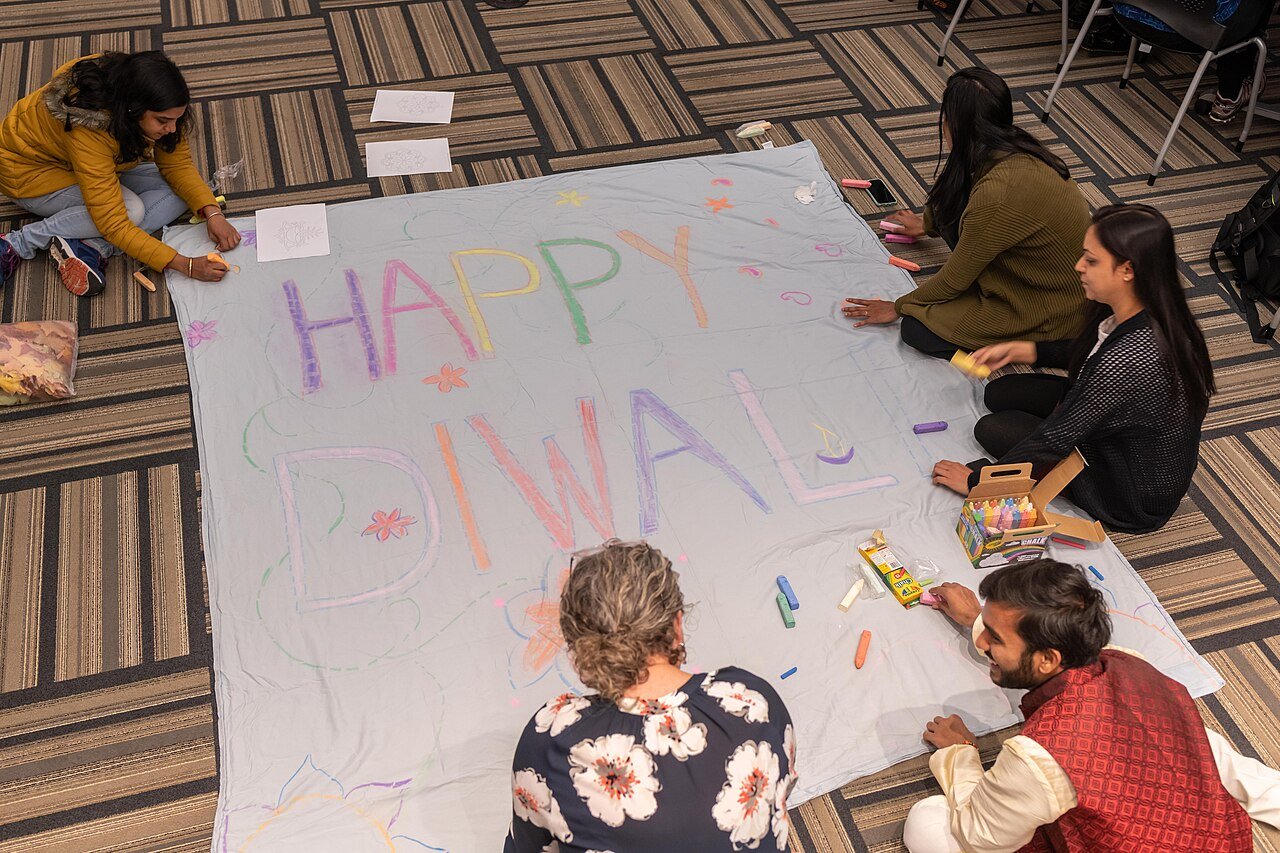
If you skip the Diwali gala to go hiking, it’s noted. If you don’t send your kid to the same Kumon class as everyone else, it’s whispered about. The community that once provided support now demands conformity.
The friction you feel is the result of you breaking the unspoken contract: We struggle together, we succeed together, but we do not differ.
The Playbook: How to Diversify Without Drama
So, you are sitting at that potluck, checking your watch. What do you do? You don’t need to burn bridges, but you do need to renovate the architecture of your social life.
Here is your exit strategy from the echo chamber.
1. The Portfolio Approach to Friendship
Stop trying to get 100% of your emotional and intellectual needs met by the Indian community. Treat your social life like an investment portfolio.
- The Heritage Fund: Keep a few close Indian friends who actually get you. This is for nostalgia, comfort, and cultural connection.
- The Growth Stocks: Actively seek friends based on shared interests, not shared ethnicity. Join a cycling club, a writers’ workshop, or a local volunteering board. You need friends who know you as “The runner” or “The jazz enthusiast,” not just “The Indian guy/girl.”
2. The “No-Context” Rule
One of the most exhausting parts of the Desi circle is the lack of boundaries. Everyone knows your salary, your visa status, and your parents’ health history.
- Action: Build relationships where you have zero shared history. When you make a friend who doesn’t know your caste, your hometown, or your college ranking, you are free to reinvent yourself. You are judged solely on who you are today.
3. Normalize “Opting Out”
The guilt of missing community events is manufactured. You must get comfortable with being the “drift.”
- The Script: When pressed on why you’ve been distant, do not apologize. “I’ve been really focusing on [Passion Project/Hobby] lately and it’s consuming my weekends.”
- This signals that your absence is about your growth, not their rejection. It re-frames the narrative from “they are snobbish” to “they are busy/passionate.”
4. Find the “Outliers”
You are not the only one feeling this. In every large Indian group, there are two or three others who are also standing near the exit door, swirling their drinks, looking bored.
- The Move: Find them. Create a splinter group. These “Third Culture” friendships are often the strongest because they are built on the shared experience of loving your roots while refusing to be constrained by them.
The Final Wake-Up Call
Loneliness is the tax you pay for growth.
Leaving the warm, chaotic embrace of the “Desi clique” feels cold at first. You will miss the noise. You will miss the easy shorthand of communication.
But assimilation isn’t about becoming “like them” (the locals). It is about becoming fully yourself, unburdened by the expectations of a community that remembers who you were, but cannot see who you are becoming.
The world outside the bubble is vast. The conversations are different there. The air is thinner, but I promise you—it is much easier to breathe.