









The Education Arbitrage
The narrative of Reverse Migration—NRIs returning to India for various reasons—is no longer a purely anecdotal one. It is a demonstrable trend, and the clearest measure of this shift is the enrollment surge in India’s international schools. These institutions, offering curricula like the International Baccalaureate (IB) and Cambridge (IGCSE/A-Levels), are experiencing robust, double-digit growth, driven directly by returning Non-Resident Indian families.
This phenomenon is driven by an Education Arbitrage—the decision to swap high, volatile costs abroad (housing, high-school tuition, lifestyle) for relatively lower, globally standardized education costs in India. The choice is a strategic family decision: trade Western residency for Eastern community and a familiar, globally recognized education track.
The key takeaway is that the return is not sacrificing quality. India is now the second-largest host of international schools globally, with institutions expanding far beyond the metros into Tier 2 and Tier 3 cities. This proliferation provides returning NRI families with an accessible and consistent educational platform that ensures their children can transition smoothly, maintain global university options, and reconnect with their cultural roots.
The Core Drivers of the NRI Enrollment Surge
The shift is powered by a confluence of economic, logistical, and cultural factors unique to the NRI experience.
1. The Cost and Visa Pressure (The Push Factor)
Uncertainty in the West is forcing families to seek stability in their native land.
- Western Cost of Living: Persistent global inflation, particularly in housing, has made maintaining a family lifestyle in cities like Toronto, London, or the Bay Area financially exhausting. Returning to India, even with lower local salaries, can lead to higher net savings due to significantly lower housing costs.
- Visa Fatigue: The multi-year wait for Green Cards (US) or the restrictive policies around dependents and permanent residency (UK, Canada) force many NRIs to return when their children reach crucial schooling ages. The decision to return is often made to secure the children’s education before they are too old to adapt.
2. Global Curriculum Consistency (The Educational Bridge)
Returning parents are hyper-focused on curriculum compatibility to ensure their children retain access to top global universities.
- IB and Cambridge Popularity: The International Baccalaureate (IB) and Cambridge International Education (IGCSE/A-Levels) are the two dominant curricula driving this demand. These boards are globally recognized and highly preferred by Western universities for their emphasis on critical thinking and personalized learning.
- Tier 2/3 Expansion: International schools are no longer confined to Mumbai and Bengaluru. Their expansion into Tier 2 and Tier 3 cities (e.g., in Punjab, Sangli, Betul) reflects the broadening ambition of the middle class and provides excellent educational options for those NRIs who want to settle closer to their ancestral homes.
3. Cultural and Family Reconnection (The Pull Factor)
Family ties and the desire for cultural immersion remain powerful drivers of reverse migration.
- Family Support: NRIs often return to be closer to aging parents or to access the strong community and logistical support (childcare, domestic help) that is expensive or non-existent abroad.
- Identity and Culture: Giving children a grounded experience of Indian culture, language, and festivals is a major stated reason for the move. Schools with international curricula often blend global standards with Indian cultural context, providing a seamless identity bridge for the children.
The NRI Playbook: Navigating the International School Maze
The surge in demand has made the application and admission process highly competitive, particularly in major metros.
1. The Curriculum Selection Mandate
The choice of board should align with the child’s future goals.
Actionable Step: Choose the curriculum first, then the school. The IB curriculum is generally preferred for holistic development and entrance into North American universities, while Cambridge (A-Levels) remains the preferred gold standard for UK/European university admissions.
2. The Fee Structure Reality Check
While cheaper than a full international education in the West, these schools are significantly more expensive than their CBSE/ICSE counterparts.
Actionable Step: Be prepared for high tuition fees (often ₹3 Lakhs to ₹6 Lakhs+ per year). Factor this into your reverse migration financial plan. The high demand for the “international tag” allows these schools to command premium pricing.
3. Early Application and Document Attestation
Admissions are competitive and often require foreign documents.
Actionable Step: Begin the admission process 6–12 months before your planned move. Ensure all previous school transcripts are ready and that your child’s identity documents (birth certificate, previous report cards) are properly attested, as per the school’s requirements, to avoid last-minute administrative delays.
The rise of international schools is not just an Indian business trend; it is the physical manifestation of the NRI’s strategic choice to bring their financial and cultural capital home without compromising their children’s global future.
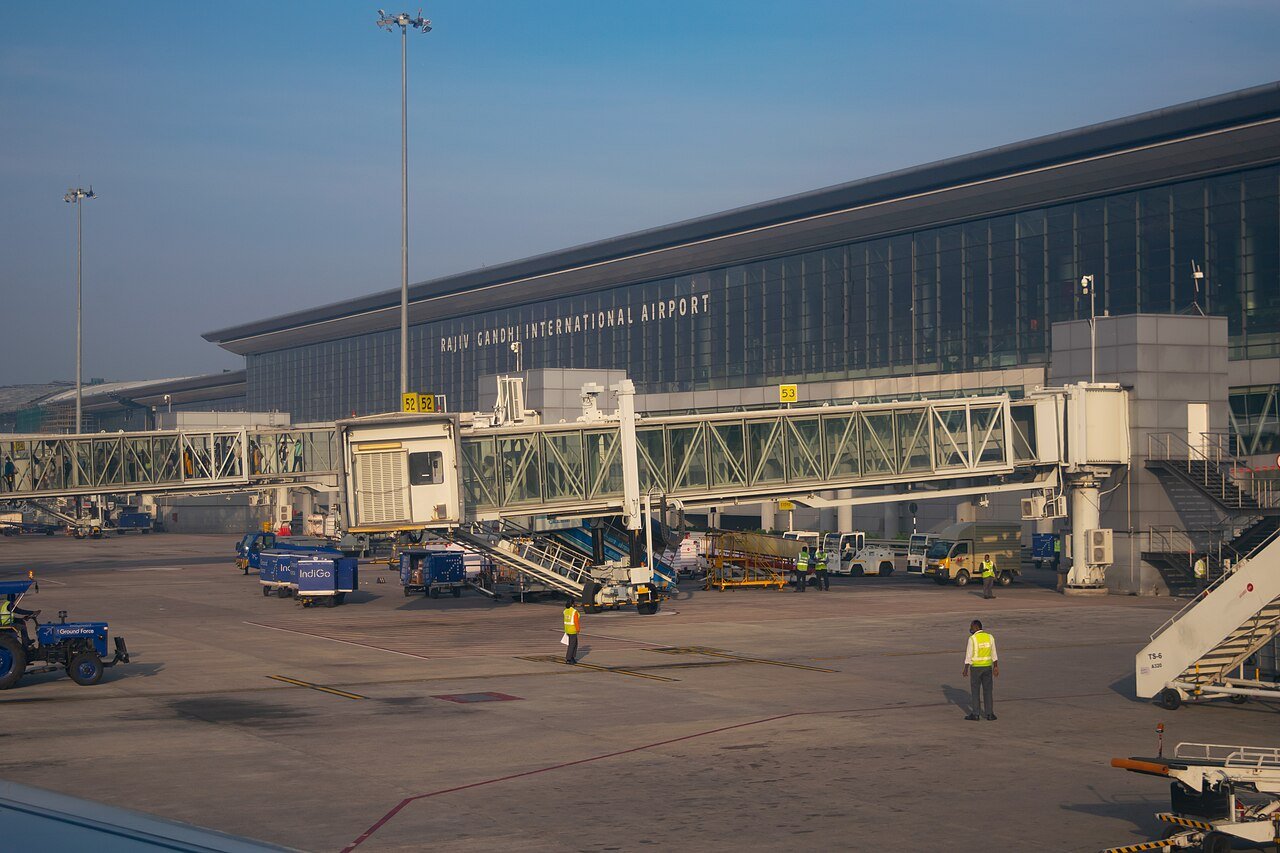
Image: Nikhil B / Wikimedia Commons, CC BY 3.0. Source: Wikimedia Commons.